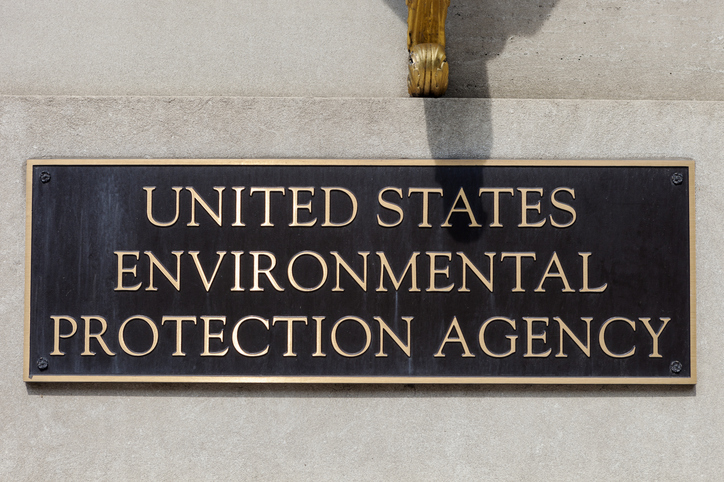
The Environmental Protection Agency (EPA) is currently working toward a final rule on proposed amendments to its Model Year 2027 and later heavy-duty emissions regulation. Primarily developed for on-highway vehicles, the rule also has some important implications for non-road mobile equipment.
The proposed changes to SCR/DEF inducement requirements would apply to newly manufactured nonroad engines and equipment starting in 2029. However, the EPA is in the process of evaluating public comments, which could influence potential changes to the proposal. Through its member-driven Equipment Emissions Technical Council, is engaging in discussions regarding the proposed rule change. Talks have centered around the non-road industry’s implementation of the August 2025 and March 2026 engine emissions guidelines, which served as a framework for the looming 2027 rule.
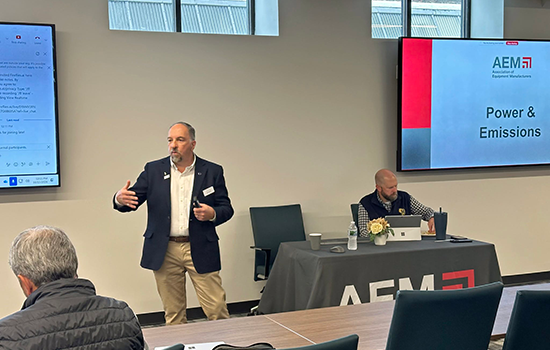
“AEM is committed to helping regulators understand the non-road mobile sector by sharing our industry’s perspective and providing valuable input,” said AEM Senior Director of Regulatory Affairs and Ag Policy Nick Tindall. “To that point, it’s crucially important to have the diverse voices of our industry sector reflected in the comments we provide to the agency.”
Understanding the 2027 Heavy-Duty Emissions Rule Amendments
The most pertinent proposed rule change pertains to DEF/SCR inducements, which are measures designed to prompt an equipment operator to take corrective action or to have their equipment serviced. Equipment manufacturers have relied on engine derates and speed reductions for their inducements, which also help protect equipment from severe damage. Now, the EPA is proposing the use of audible and/or visible alerts.
In cany case, while the proposed rule change would apply to newly manufactured engines and equipment starting in 2029, the EPA is in the process of evaluating public comments which could influence potential changes to the proposal. One potential change could be updated EPA guidance allowing manufacturers to modify in-use engines and equipment consistent with any inducement changes ultimately adopted for newly manufactured products.
AEM has continued to maintain a line of communication to make sure member comments to the proposed rule are being considered. While support was expressed for the EPA’s objective of improving end-user flexibility, the EETC also articulated several concerns regarding the proposed rule:
- Unlike with on-road vehicles, non-road equipment requires machine-specific consideration to ensure both operator functionality in varying applications and regulatory compliance.
- The proposed notification-only inducement framework may not be effective in high-noise, no-cab, intermittently monitored, or specialized applications.
- Significant equipment changes would be required under the proposed framework, creating redesign, integration, validation, certification, and supply chain challenges for manufacturers.
- The proposed rule necessitates separate compliance strategies across U.S., Californian, Canadian, and international markets, which could result in limited product availability and affordability in some markets
- The proposed rule creates uncertainty regarding continued permissibility of protective derates needed to protect equipment from cascading failures
- Further analysis of the proposed rule’s impacts is needed (because of its effects on manufacturers, dealers, end-users, existing fleets, and used equipment markets)
The EETC also expressed concern about the proposed rule’s 2029 implementation timeline.
Next Steps as the Final Rule is Developed
With a final rule expected by the end of the year, the EETC will continue to monitor EPA communications and will remain engaged with EPA staff and leadership as warranted. In the meantime, the non-road industry is requesting more time to comply with whatever the final ruling mandates.
“These types of things are extremely difficult to predict, and there’s a ton of uncertainty surrounding the rule right now,” said Tindall.
As the details of a final rule hang in the balance, it’s a reminder of how important it is for AEM and its member companies to remain engaged in the rulemaking process, particularly the public comment phase, to make sure the collective voice of the industry is heard.