By Danny Gavin, Communications Coordinator, Association of Equipment Manufacturers (AEM) --
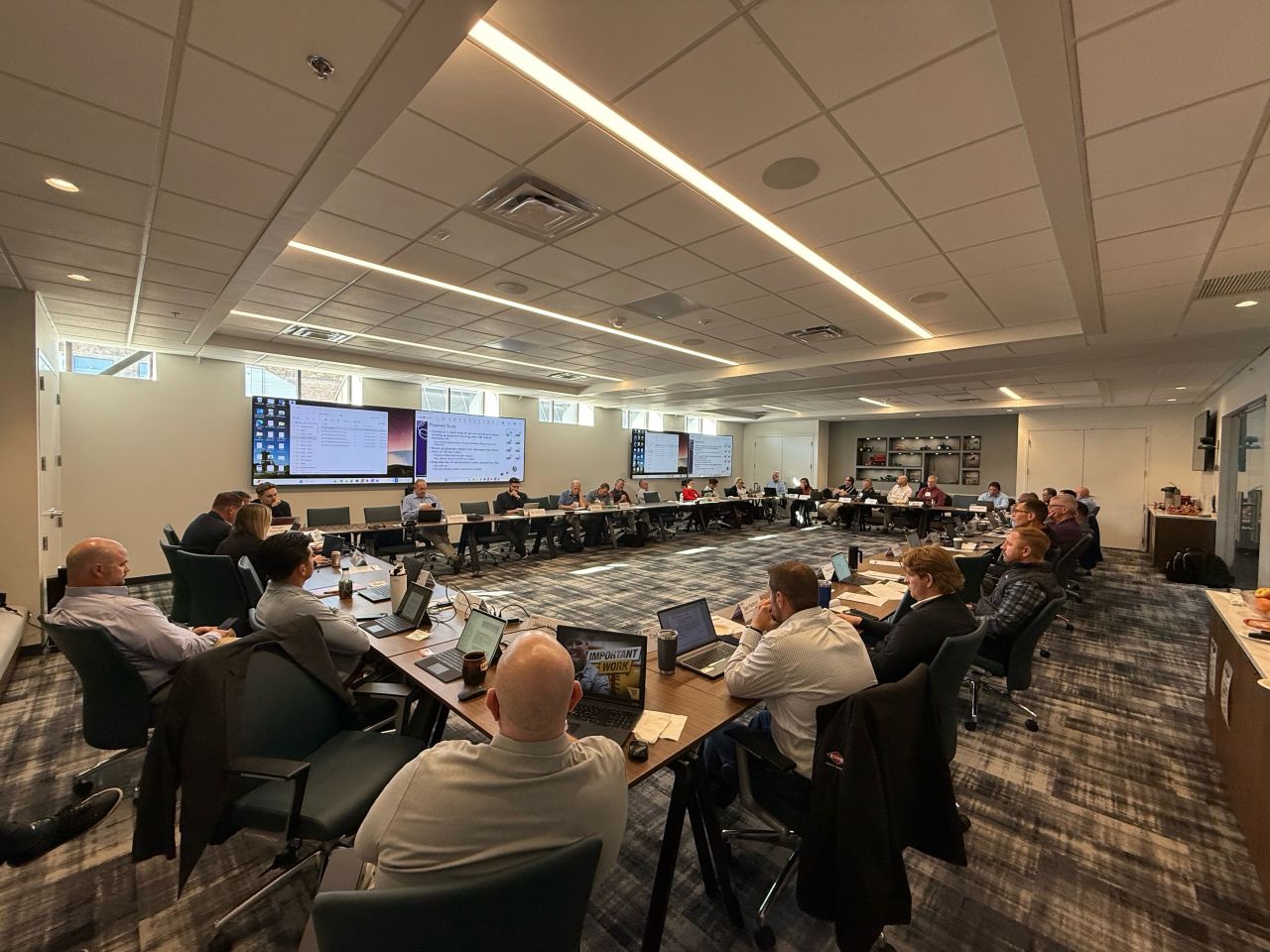
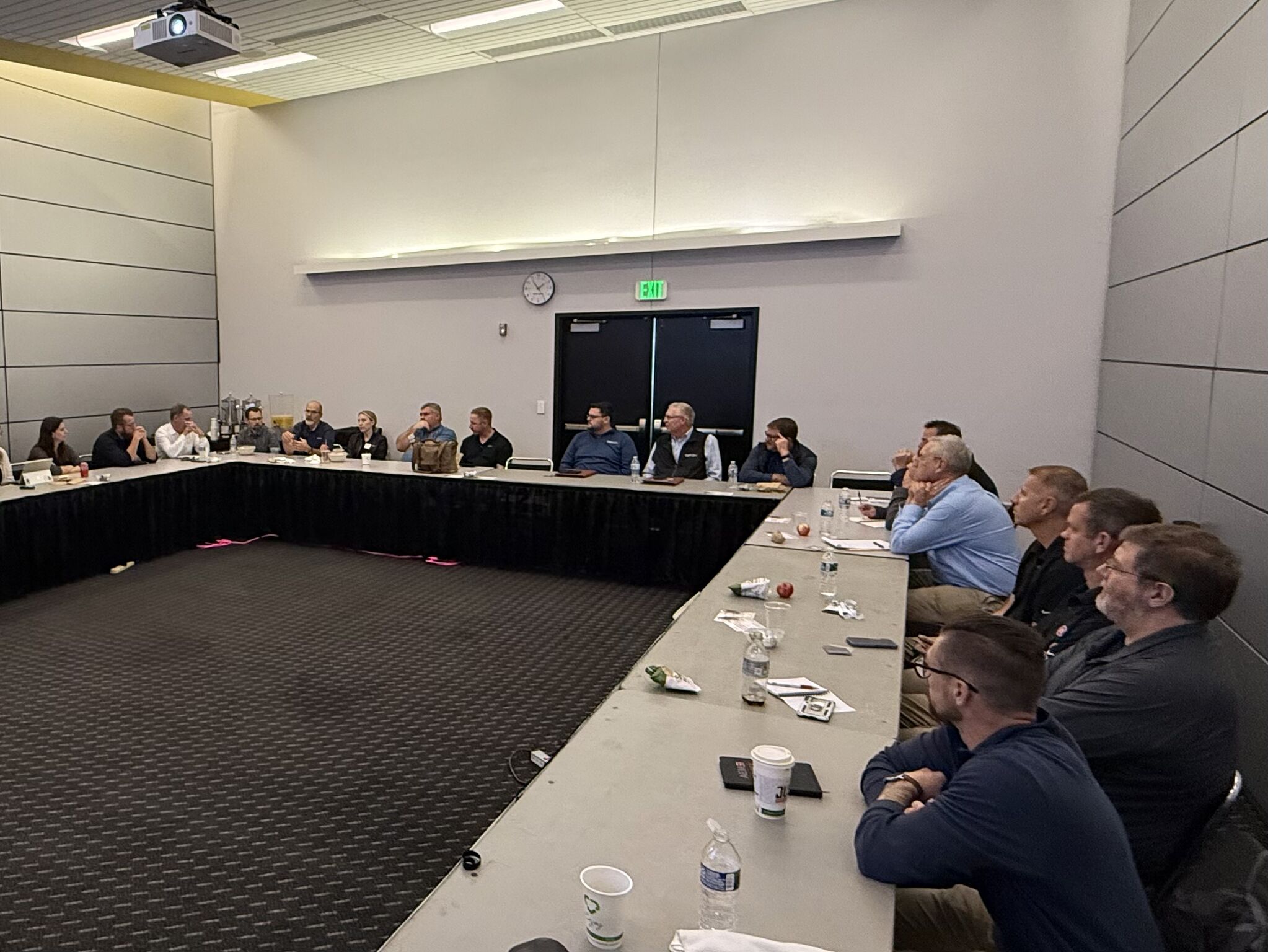
Artificial intelligence is rapidly becoming more relevant to everyday operations – a trend that was explored during the 2026 AEM Market Share Statistics Fall Meetings & Forum. Attendees heard from Jeremy Kedziora, Associate Professor of Computer Science and Endowed Chair of Artificial Intelligence at the Milwaukee School of Engineering (MSOE). During his keynote presentation, Kedziora provided a practical look at how AI tools are evolving, and what they could mean for organizations looking to work smarter with their data.
Rather than focusing on what role AI may play in the future, manufacturers should focus on how AI platforms can help users analyze data, identify trends, automate repetitive tasks, and accelerate reporting processes currently. Organizations should also focus less on AI itself and more on the problems it may be able to solve.
AI As a Partner
AI may be able to process information, generate reports, or identify patterns at remarkable speed, but human expertise remains essential. Industry knowledge, context, critical thinking, and sound judgment continue to be necessary for interpreting results and making sound business decisions. And while AI capabilities continue to advance, users must remain pragmatic in their adoption efforts.
"I really dislike the 'how can we AI today?' mentality," Kedziora said. "Find something that annoys you and fix it – I recommend that users explore ways that AI can address a small, specific problem."
That approach reflects a growing realization across manufacturing: the most valuable uses of AI are often the most practical. Rather than pursuing large-scale transformations, many companies are finding success by using AI to automate routine tasks, accelerate reporting, identify trends, and uncover insights hidden within large datasets.
Enhancing Data-Driven Decision-Making
AI is already demonstrating value in data analysis. Manufacturers generate enormous amounts of information through sales activity, market intelligence programs, production systems, supply chains, and customer interactions, and AI tools are increasingly making it easier to organize and extract insights from those datasets.
For business intelligence professionals, this represents a significant opportunity. Instead of spending hours compiling reports, cleaning data, or building visualizations, teams can increasingly focus on interpreting results and identifying strategic actions. That shift has the potential to make decision-making faster while allowing organizations to respond more quickly to market changes.
As AI tools continue to evolve, capabilities such as forecasting, trend identification, scenario planning, and workflow automation are likely to become more sophisticated and accessible.
A Balanced Approach
While enthusiasm around AI continues to grow, manufacturers would be wise to treat it as a tool, not a cure-all or a passing fad.
"You don't want to stick your head in the sand and assume this is going to blow over," Kedziora said. "But don't get too over-enthusiastic. Identify a problem and then figure out how to use AI to solve that problem."
That balanced perspective may ultimately be the most important lesson for manufacturers. The companies that gain the greatest advantage from AI are unlikely to be those chasing every new technology trend. Instead, they will be the organizations that thoughtfully identify opportunities, experiment strategically, and apply AI in ways that support business objectives.
As the equipment manufacturing industry becomes increasingly data-driven, AI is rapidly becoming another tool in the toolbox. The challenge for manufacturers now is not determining whether the technology matters, but identifying where it can help create stronger businesses, smarter decisions, and more competitive organizations.
Looking to The Future
As AI continues to evolve, the challenge facing manufacturers is no longer determining whether AI will have an impact on their operations, but where it can create meaningful value. The most successful applications for AI are often the most practical – helping organizations streamline processes, improve data analysis, and support better decision-making rather than replacing human expertise.
Organizations that approach AI with curiosity, purpose, and a focus on solving real business challenges will be best positioned to capitalize on its potential. Whether supporting market analysis, forecasting trends, or improving operational efficiency, AI is rapidly becoming another tool in the toolbox for manufacturers looking to stay competitive in an increasingly data-driven world.