Everyone in the non-road equipment manufacturing industry would agree that product safety should be (and is) a top organizational priority. But what does that actually mean?
The function of product safety extends beyond due diligence and ensuring compliance with existing rules and regulations. At its core, product safety is a discipline. It ensures original equipment manufacturers (OEMs) design, build, and support products that:
- Protect end users from harm
- Minimize risk
- Perform as intended in real-world conditions
By prioritizing safety throughout the product lifecycle -- from design and testing to communication and continuous improvement -- companies not only safeguard customers and operators, but also strengthen brand reputation, reduce liability, and build lasting customer confidence in their product offerings.
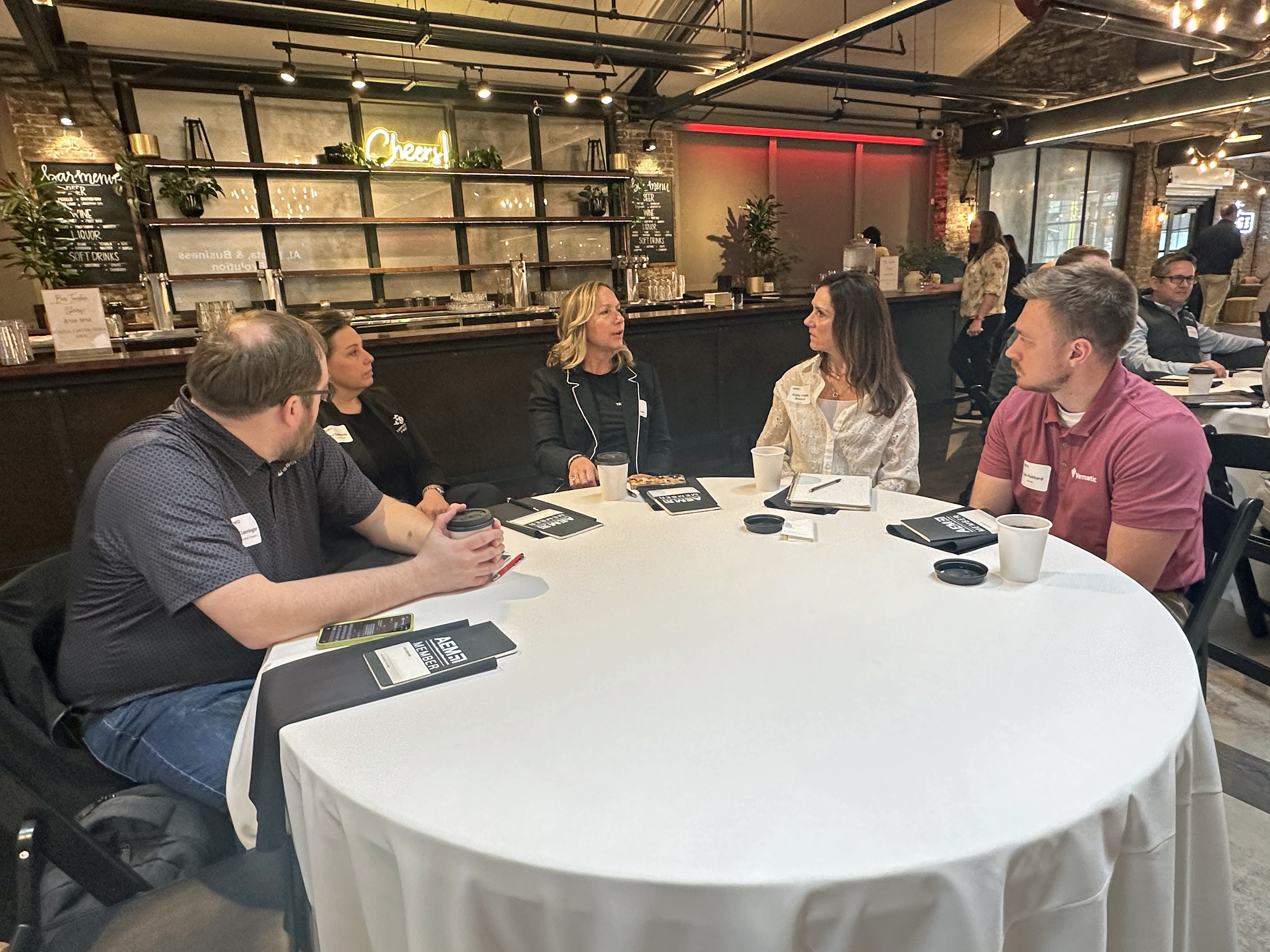
It’s why AEM chose to bring four experienced product safety leaders together during day two of the most recent Product Safety & Stewardship Conference. Mike Flora, director of engineering, Flory Industries; Tom Hoffman, intellectual property and product relations engineer, Kuhn North America, Matt Meek, corporate director of product safety, Cummins, and Mike Senneff, owner, Product Safety Help, hit the stage to highlight their ideas, perspectives, and approaches to product safety in today’s complex industry environment:
Hoffman on a key tactic for building a safety team’s capabilities: “When I started in my role at Kuhn North America, we possessed several guidance documents related to our work. As time went on, and we tackled new tasks and initiatives, we created additional guidance documents. However, one of the first things I ever did in my role in safety was create an internal product safety manual. Everything was in one place, and as we continued to progress in our work, we added to our internal product safety manual in order to create the necessary level of consistency and structure.”
Meek on managing product safety across multiple locations and geographies: “Within Cummins, we employ folks that help with the full spectrum of safety. My focus, though, is what we do about a potential problem in the field and what we focus on in the design side. We employ several people that lead on other safety-related topics, standards and regulations, cybersecurity, and other aspects that fall under the safety umbrella. From a perspective of broad geographic coverage of safety, we have worked very diligently to centralize a common process for addressing it. We don’t have a separate process for different locations in the world. We follow through on that one process, no matter what.”
Meek on the impact of artificial intelligence (AI) on product safety: “We’re just scratching the surface in terms of what AI technology can do. But I do believe there’s tremendous potential for our ability to find things inside of our data that could be a potential safety issue. Helping to screen, yes. Helping to make decisions and set direction, no.”
Hoffman on how early product safety professionals should get involved in assessing risks in product development: “The earlier, the better. We’ve all been in safety reviews where someone has a more developed idea of what they want to do, and you must be the one that walks in and says, “Yeah, that’s not going to work.” So, in that early concept phase, you’re going to want to be in the room and make sure they are clearing the initial bars to create a safe product, and then, of course, following it all the way through the process.”
June is National Safety Month, and AEM is proud to support the National Safety Council, advance the cause of worker safety, and continue its mission to produce valuable literature and publications designed to keep equipment operators safe. Learn more.
Senneff on creating an internal pipeline for leaders of product safety: “I’ve found it effective to work with people on a slow, methodical basis to gradually understand the role of product safety. Tactics such as mock exercises to facilitate understanding do work well both in-house and remotely with new hires. From my perspective, creating an internal pipeline for leaders of product safety is very doable for the vast majority of organizations today.”
Flora on the next generation of product safety professionals: “Flory Industries set a goal to lead our industry in product safety, and we continue to teach that to our younger engineers even now. We’ve made safety assessments a part of our design reviews, and during that process some people have expressed a greater interest in safety. That can be great starting point for growth potential or a move into a more focused role.”
Senneff on what’s motivating him to stay working in the field of product safety: “Early in my career, there was a gentleman who led the engineering at the company I worked for, he had a saying that he continually reinforced to us on the design side. It was our job to protect the users from the machine, but we could not protect them from themselves. And I think that really gives us incentive for what we do. None of us wants to see anyone get hurt. And we can take a lot of joy in the challenge to design things in a way that machines will not hurt people, knowing that we still can’t control everything that happens when people use our products in the field.”
Meek on the importance of conveying the value of product safety within an organization: “I would encourage, even if it means the product safety function is filled by a part-time position, get your organization to recognize the need for what I call a “hustle factor.” When there’s something you must react to, that has to be the priority. So, if you have part-time folks in a position covering safety, they need the ability to turn on the hustle and go deal with a safety issue and not have overly competing demands on their time. You don’t want to set them up for failure.”
About AEM’s Product Safety & Stewardship Conference and Liability Seminar
The AEM Product Safety & Stewardship Conference is setting the stage as the industry's only event designed to provide attendees with first-class access to the latest insights on product liability, safety design standards, regulatory requirements, and potential risks to avoid.
In addition to these core themes, the conference also explores emerging topics such as cybersecurity and AI, technical writing, electrification, and chemical compliance, ensuring a comprehensive view of the evolving landscape of product safety and stewardship.
Next year’s conference is set for April 19-22, 2027, in Bloomington, Minnesota. For more information, visit the official event website.