AEM brought the voice of Canada’s equipment manufacturing industry directly to Parliament Hill last week, highlighting the importance of trade certainty, global competitiveness, and policies that support continued manufacturing investment in Canada.
Kurt Buehler, President of Linamar Agriculture and a member of AEM’s Ag Sector Board, testified on behalf of AEM before the House of Commons Standing Committee on International Trade as it examined federal assistance for Canadian manufacturers’ international trade activities.
Representing 145 equipment manufacturers and suppliers across the agriculture, construction, forestry, mining and utility sectors in Canada, Buehler underscored the industry’s significant economic footprint. Equipment manufacturing supports more than 147,000 jobs, contributes approximately $24 billion annually to the Canadian economy and generates $54 billion in sales and exports.
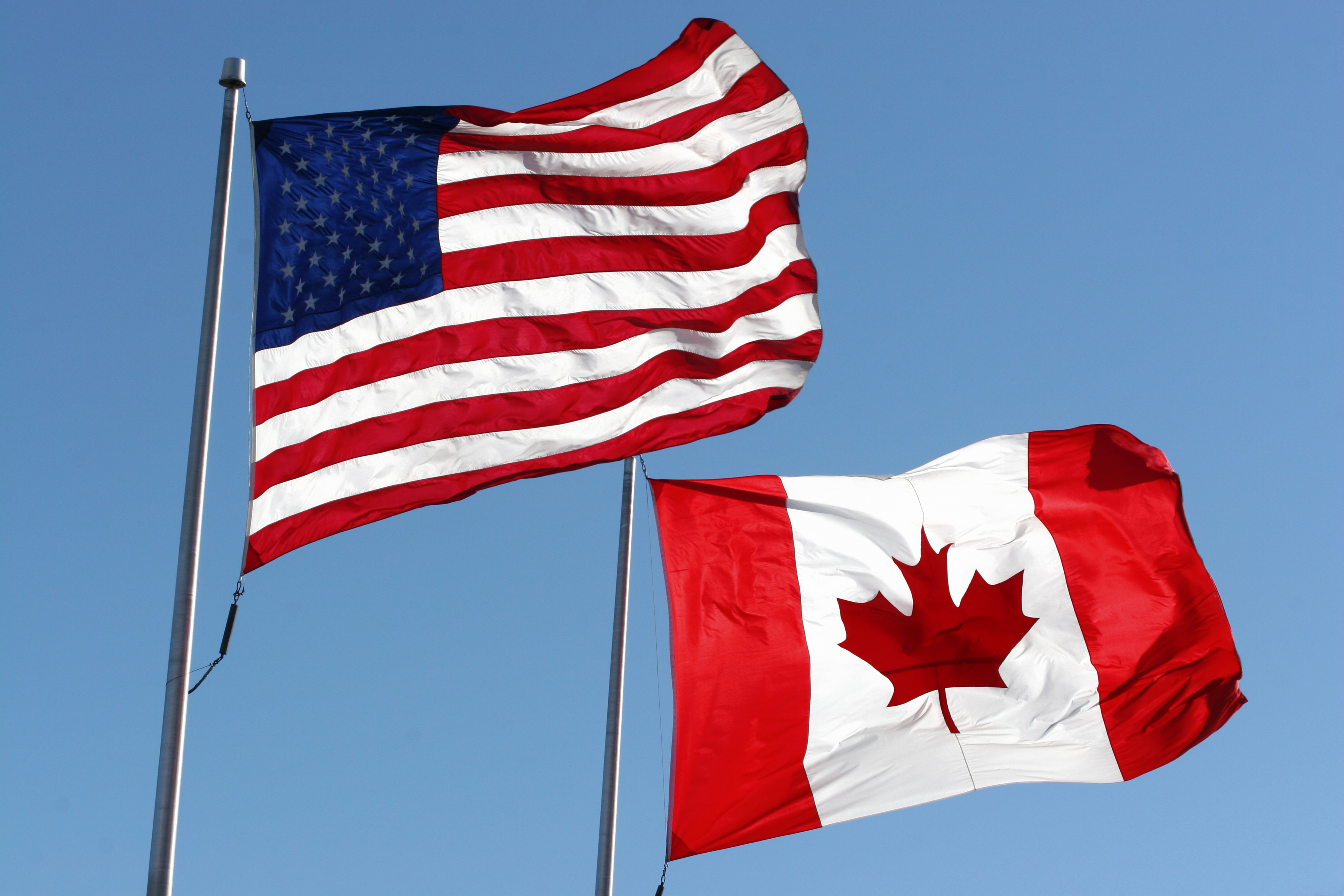
A central message throughout the testimony was the importance of balancing new opportunities in global markets with a strong and predictable North American trade relationship.
“AEM supports efforts to expand opportunities for Canadian manufacturers in markets around the world,” Buehler said. “At the same time, we believe trade diversification and a strong North American trading relationship should go hand in hand.”
The United States remains a critical market for Canada’s equipment manufacturers. Approximately 45% of agricultural equipment and 76% of construction equipment produced by AEM members in Canada is exported to the United States. Supply chains are similarly interconnected, with components often crossing the Canada-U.S. border multiple times before final assembly. That integration makes trade certainty essential for manufacturers considering long-term decisions about investment, production, and jobs.
Beyond the U.S. market, Canada’s trade agreements open doors to new customers around the world. “Canada’s growing network of trade agreements creates opportunities for manufacturers to reach new markets,” Buehler said. “The focus now should be on helping more Canadian companies translate that market access into commercial success.” He emphasized that negotiating trade agreements is only part of the equation. Policymakers can support that success through coordinated trade missions, practical export assistance and more accessible programs such as duty drawbacks and duty deferrals.
Reliable infrastructure is another important part of Canada’s global competitiveness. During the committee discussion, disruptions at the Vancouver and Montreal ports in 2024 were cited as examples of how infrastructure challenges can hurt Canadian businesses and affect Canada’s reputation as a reliable trading partner. Canadian manufacturers need dependable infrastructure to move Canadian-made products efficiently to customers around the world.
Buehler also highlighted the realities equipment manufacturers face when sourcing materials and components. While the industry values strong Canadian suppliers, certain grades of steel, specialty materials, electronics, and other components may not be readily available domestically or may take significant time to develop.
Those challenges are particularly important when considering tariffs and other trade measures. Manufacturers can take steps to mitigate tariff exposure through sourcing changes, classifications, and remission programs, but those efforts still require engineering, customs, purchasing, and quality-control resources. These costs can be particularly challenging for smaller manufacturers.
Regulatory certainty matters too. “We encourage continued collaboration between government and manufacturers on regulatory policy, with the goal of achieving strong public policy outcomes while providing companies with the predictability needed to invest and innovate,” Buehler said.
The testimony ultimately reinforced a straightforward message: Canada’s equipment manufacturers want to continue building in Canada, investing in Canada, and exporting Canadian-made equipment to customers around the world. A strong and predictable North American trade relationship, a competitive environment for manufacturing investment, and practical efforts to expand access to global markets can help make that possible.
If you’re interested in getting involved in AEM’s Canadian advocacy efforts, please contact AEM’s Director of Government Relations for Canada Alexandre Mattard-Michaud at amattard-michaud@aem.org.